
Hull 1-0 Middlesbrough
Why did Hull succeed where QPR failed?

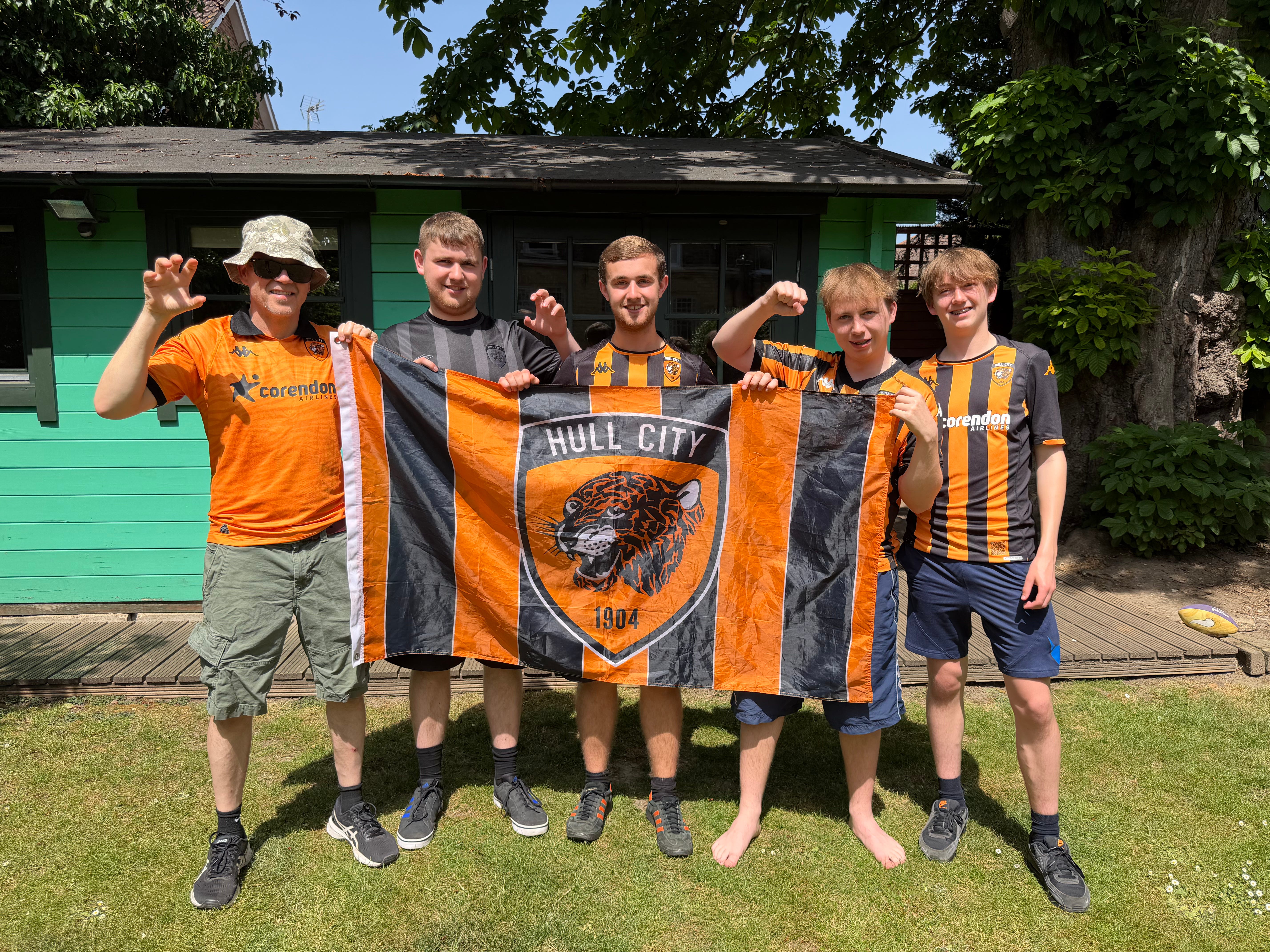
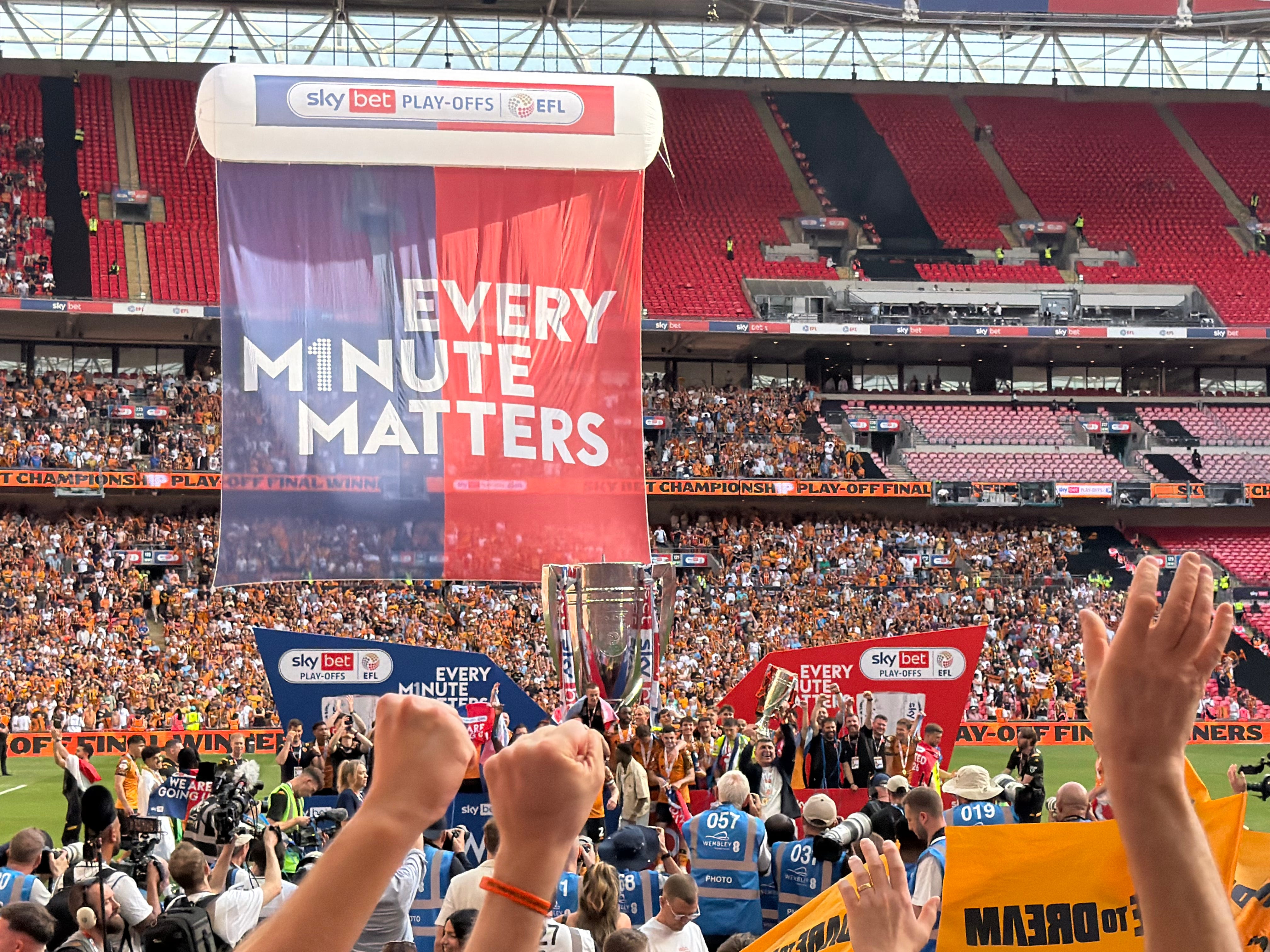
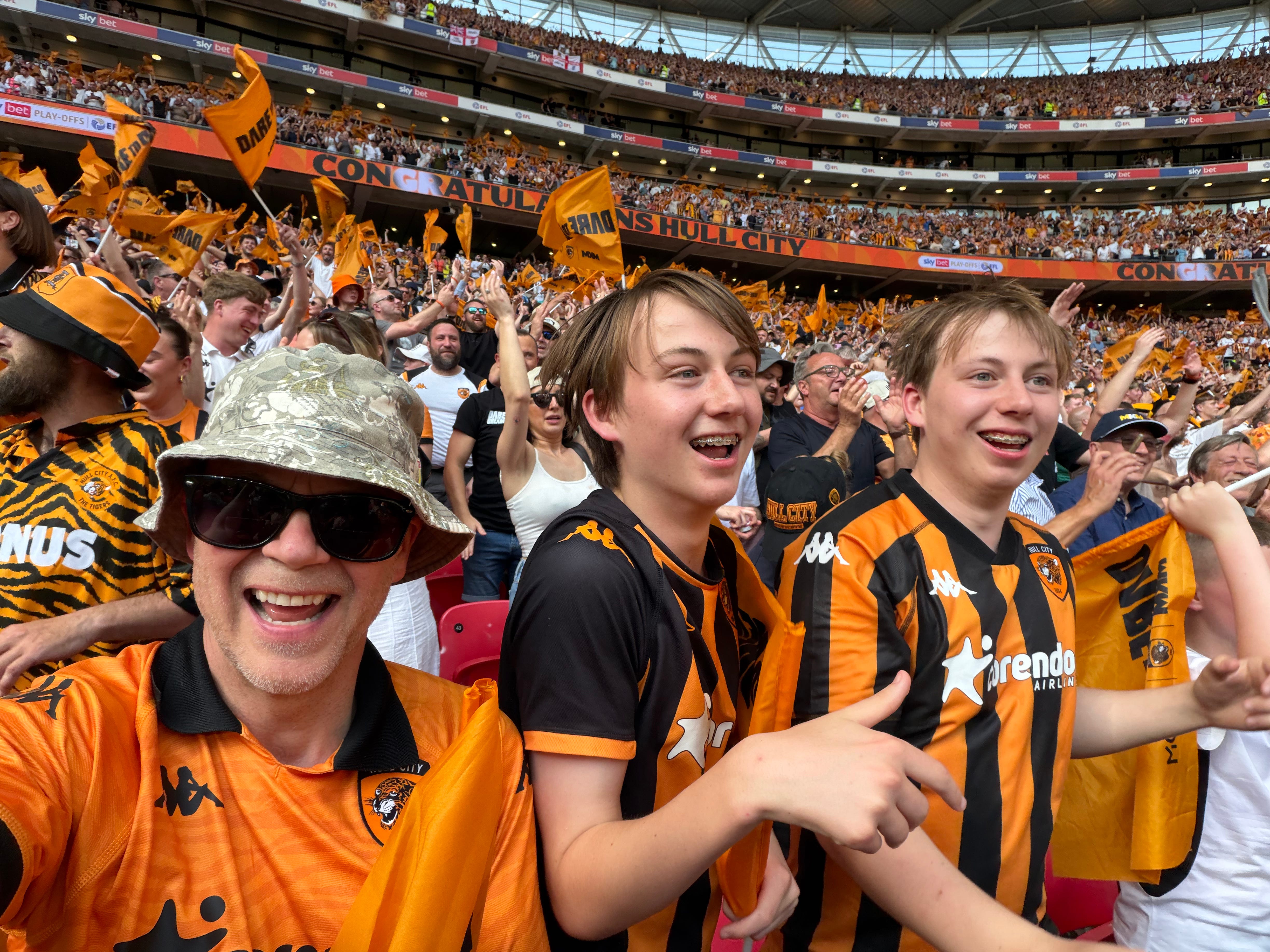
I went to see Hull v Middlesbrough in the play-off final on Saturday and it was a bittersweet experience.
Sweet, because my sons and I were with our friends Jack, Harry and Roger Watson, big Hull fans who were staying with us in London so they could go to the game. They’d got us tickets, so the Young family were all Tigers for the day, complete with vintage shirts we’d bought for the occasion. The game itself was the usual Championship slop, much like QPR’s play-off final against Derby, but we were delighted on our friends’ behalf to see Hull get the winner in 90+5. It was particularly pleasing because we’d all bet heavily on Hull to lift the trophy, getting odds of 17-10.
But it was also bitter because you couldn’t help thinking how much more thrilling the whole experience would have been if we were watching QPR. It was a reminder that we’ve now spent 12 years in the second tier and show no signs of getting out. Indeed, our collapse at the end of the season means we weren’t even close to a top 10 finish. How did it all go so right for Hull and so wrong for us?
It’s tempting to attribute the Tigers’ promotion to an extraordinary run of luck. On the final day, they looked destined for 7th or 8th place, with only an unlikely combination of results getting them into the play-offs. Had Sheffield United not beaten Derby, had Wrexham not drawn to Boro and had Hull not beaten Norwich, they wouldn’t have finished in sixth place. Admittedly, they put Millwall to the sword pretty convincingly in the second leg of the play-off semi-final, but in the final they were due to play Southampton, the league’s in-form team who are undefeated in 19. The Saints would have surely hoisted the trophy. But thanks to an unexpectedly harsh punishment being meted out by the EFL for Spygate, Hull got to face off against the inferior Middlesbrough.
Even then, they got lucky, with Boro the better team on the day. They had the lion’s share of possession, kept a high press and, until the 80th minute, looked more likely to score. They just couldn’t finish, possibly because, deep down, the players felt they didn’t deserve to be there (although you don’t need cod psychology to explain poor finishing in the Championship). The game looked destined for extra time until a decent ball in from Hull’s Japanese winger, Yū Hirakawa, was spilt by the Boro keeper and fell kindly for Oli McBurnie. So on top of everything else, the Tigers got the rub of the green in the final.
But the stars aligning for Hull is only part of the story. They came into this season under a transfer embargo and only managed to avoid relegation in the previous one on the final day. Sergej Jakirović, their new manager, was untested in the Championship – an excuse some R’s fans are making for Julien Stéphan – and he had to confine his recruitment to players out of contract and available on a free until the embargo was lifted in January, at which point the club shelled out for a couple of players, but spent a fraction of what QPR did. No one – and I mean no one – had the Tigers finishing in the play-offs, let alone getting promoted. As Jakirović said at the parade in Hull city centre on Monday, he had one job this season and it was to keep the team in the championship. (“I failed,” he joked.) So how did he pull it off?
I haven’t been following Hull closely enough to answer that question properly, but it was clear they got lucky with McBurnie, who seemed determined to enjoy his time back in the Championship after a spell in La Liga – and enjoy it he did, scoring 18 goals in all competitions before he got the winner on Saturday. There was a real esprit de corps in the team, which was visible at Wembley, with attackers tracking back and defenders throwing themselves into the breach. Watching them defend doggedly for long stretches, followed by lightening-quick counter attacks, you could understand why they ended the season with a positive goal difference, even though Opta had them in 23rd place based on expected points and expected goals.
Their form this season was not that of a team destined for promotion, having won half of their 46 league games, drawn 11 and lost 15. But unlike us, Hull got better as the season went on, going on an unbeaten run of eight away from home in the closing weeks, six of them wins. Before that, they were more consistent than us – less streaky. Yes, we did the double over them, but we had sustained periods in which we won nothing, including four straight losses at the end of the season. If you go on those unbroken losing runs, you’re not getting into the play-offs.
As a statistical rule-of-thumb, managers are less important when it comes to a team’s season-long performance than the players, so we shouldn’t exaggerate Jakirović’s impact. A team’s wage bill relative to that of the other teams in the same league is the single best predictor of where it will end up, and according to that metric Hull sat eighth in the league, whereas QPR sat 21st. So perhaps Stéphan is a better manager than Jakirović! They aren’t that different, to be honest, with both preferring a standard, 4-4-2 formation – or, at least, that’s the formation Jakirović settled on towards the end of the season. Nevertheless, he Tigers proved more effective at stopping opponents’ scoring using that system than we did. Jakirović’s lack of tactical flexibility will be a weakness in the Premiership, but, to be fair, he’ll have a better squad next season, so may prove more versatile. Sticking with the same formation week-in, week-out makes sense if you’re saddled with a group of journeyman players – and Stéphan has the same excuse.
Both clubs suffered catastrophic injuries, but QPR’s were worse in terms of “absences by proportion of squad value”, to use the metric developed by Andrew Scherer in his statistical breakdown of 25-26 for Loft For Words: “Players like Chair, Burrell, Madsen and Dembélé all missed large swathes of the season and that represented a significant amount of talent unable to contribute.” You can add Poku to that list.
Did QPR make any progress this term, if nothing like as much as Hull’s? As most pundits have said, it’s been a case of half a dozen of one and six of the other. Yes, we ended up finishing 15th again, but with two more points – hooray! – and at least we spent more time looking up than down. We splashed out in the transfer windows by QPR standards, so we expected Stéphan to do better than Martí Cifuentes, and the fact that he didn’t – not really – was disappointing. But we ended the season with two strikers in double figures and both worth more than we paid for them, which is encouraging. That may be evidence of Stéphan’s ability to develop young players, something we saw in abundance with Nicholas Madsen. But there was no comparable improvement for other promising youngsters, such as Rayan Kolli, and others, such as Koki Saito, actually went backwards. I wouldn’t be surprised if we sell Kolli this summer, particularly if he gets some game time for Algeria in the World Cup.
On balance, I’m for giving Stéphan one more season before looking elsewhere, for much the same reasons that Clive Whittingham gives in his end of season review on Patreon. The Frenchman has been vin ordinaire, but given where we are in the league and the money we have to spend, it’s unlikely we’d get anyone better. (Scott Parker? No thanks.) Moreover, whoever we did get would probably be someone from the same stable as Stéphan and Martí, i.e., a manager in a European league, and that person would have to spend his first season familiarising himself with the Championship. Stéphan, by contrast, already has a season of Championship football under his belt. So I say stick, not twist.
And who knows, Stéphan may have a better squad to play with next term. One glaring stat pulled out by Scherer is the number of goals conceded relative to our xGA. According to that metric, which describes the statistical likelihood of opponents scoring against you based on the shooting positions they get into, we were roughly mid-table, yet we conceded the second highest number of goals in the league after Sheffield Wednesday. So we need a new keeper, but then anyone who watched us concede seven to Coventry, five to Southampton and four to Middlesbrough could have told you that.
We also need a left back, given that Rhys Norrington-Davis is due to return to Sheffield United, and a right back, assuming we leave Jimmy Dunne at centre back. Mbengue has his good points, but playing at right back isn’t among them. Isaac Hayden is gone and Varane may also go this summer – if we can find someone to buy him – which means we’ll also need to strengthen in defensive midfield. The other positions should be okay, provided our attacking players aren’t devastated by injuries, as they were this season. You’d hope that Stéphan and Ben Williams, our Director of Performance, have got more of a feel for each other by now, with a better understanding of how the other works.
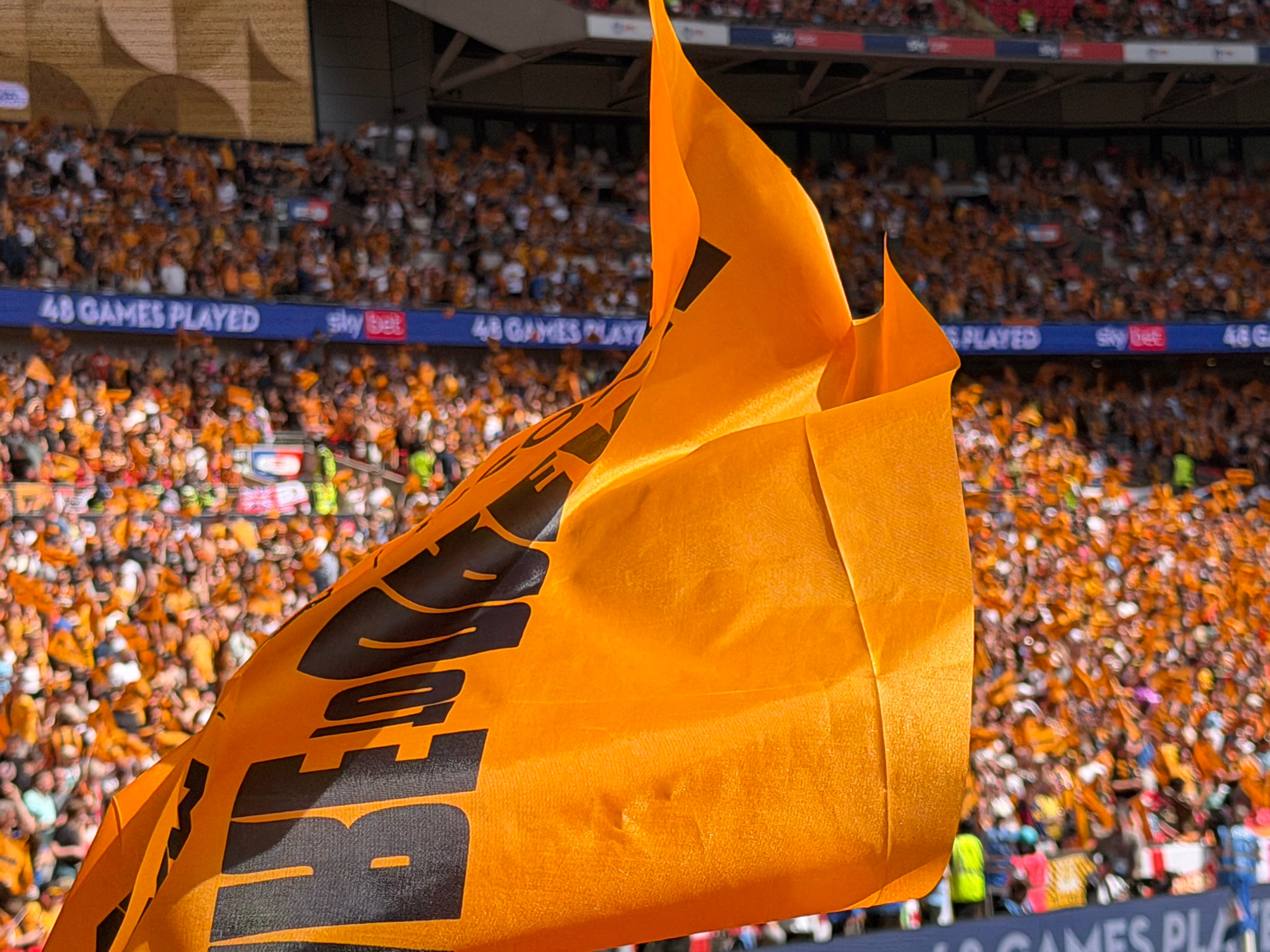
To end on an optimistic note, Hull’s unexpected success proves it can be done with a journeyman squad, a so-so manager and a mid-table budget. You just need a bit more consistency, fewer injuries to your first-team players and a large dollop of good fortune. And there will be six play-off places next season, not four, which means we just have to finish in the top third to qualify. So roll on 26-27. “Dare to dream” were the words on the Hull flags given out at Wembley and I’m already looking forward to my next trip to Loftus Road.
Great write-up, Toby. Have to say, Loftus Road has been one of my favourite stadiums following Cov. No doubt we’ll be seeing you again the season after next.